
How Businesses in UK & Ireland Can Master On-Page SEO
On-page SEO covers everything on a webpage that you can optimise directly: the title tag, H1, meta description, content, internal links, images, and page structure. It is the foundation that determines whether Google can understand what a page is about and whether it is relevant enough to rank for the queries your target customers use.
For businesses in Belfast and across Northern Ireland, on-page SEO is often where the biggest ranking gaps exist. Most local business websites have not had their key pages systematically reviewed and optimised. The problems are consistent and fixable, and addressing them produces measurable ranking improvements without requiring significant technical work or external link building.
Title Tags
The title tag is the single most direct on-page signal available for telling Google what a page is about. It appears as the clickable headline in search results and is the first thing a searcher reads before deciding whether to click.
For Northern Ireland businesses, the most common title tag problems are tags that are too generic, too long, missing a location term, or identical across multiple pages. A Belfast HR consultancy whose homepage title tag reads “Welcome to HR Solutions” and whose services pages all have variations of the same generic phrase is leaving significant ranking potential unused.
Each page needs a unique title tag that includes the specific service or topic the page covers and, for local pages, the relevant location term. “Employment Law Solicitor Belfast | Henderson Legal” gives Google a clear, specific signal. “Henderson Legal Services” does not. Title tags should be between 50 and 60 characters. Anything longer gets truncated in search results.
You can read more about writing effective title tags in my post on meta tags for SEO.
H1 Tags
The H1 tag is the primary heading on the page. It should describe what the page covers clearly and include the target keyword where it fits naturally. For local service pages, including the location term alongside the service gives Google a geographic relevance signal that supports local rankings.
Common H1 problems on Northern Ireland business websites include H1 tags that are identical to the title tag without adding any information, H1 tags that are generic headings like “Our Services” or “Welcome,” and pages with no H1 tag at all. Each of these represents a missed ranking signal that takes minutes to fix.
A north Belfast plumbing company whose services page H1 reads “Plumbing and Heating Services in North Belfast” is giving Google a clear, location-specific signal. The same company with an H1 of “Our Services” is not. You can read more about H1 tag best practice in my post on H1 tags for SEO and accessibility.
Meta Descriptions
Meta descriptions do not directly affect rankings but they affect click-through rate. A page sitting in position 6 for “accountant Derry” with a compelling, specific meta description will get more clicks than a competitor in position 5 with a generic one. Over time, a higher click-through rate can itself influence rankings.
Meta descriptions should be between 150 and 160 characters. They should describe what the page covers specifically, include the target keyword naturally, and give the searcher a reason to click. For Northern Ireland service businesses, including a location reference and a specific detail about the service makes the description more relevant to local searchers.
Content Quality and Search Intent
Content quality is how thoroughly and specifically a page addresses the topic it covers. Google ranks pages that best satisfy the intent behind a query. For a page targeting “HR consultant Belfast,” the content needs to describe the service clearly, address what a Belfast or Northern Ireland business owner would want to know before hiring an HR consultant, and give Google enough substance to assess the page’s relevance and authority.
Thin content, pages with two or three short paragraphs of generic description, consistently underperforms. A competitor with a service page that specifically addresses the Northern Ireland employment law context, outlines what the service includes, answers common client questions, and includes relevant credentials and testimonials will outrank a competitor with a sparse generic page every time, all else being equal.
Search intent matters too. The content on a page needs to match what the searcher is actually looking for. A page targeting “redundancy process Northern Ireland” should specifically explain the redundancy process as it applies to Northern Ireland employers, not provide generic UK employment law information. Misaligned content that technically includes the keyword but does not address the actual query will not rank well regardless of other optimisation factors.
Keyword Usage and Placement
Keywords need to appear in the title tag, H1, meta description, and naturally within the page content. For local searches, the location term should appear alongside the service term in these elements. Beyond the structural elements, keywords should be used where they fit naturally in the content rather than being forced into every paragraph.
Keyword stuffing, repeating the target phrase excessively throughout the content, does not improve rankings and makes content unreadable. A page that mentions “accountant Belfast” fifteen times in 400 words reads unnaturally and signals poor quality. A page that uses the term where it fits naturally, alongside related terms like “chartered accountant,” “Belfast accountancy firm,” and “Northern Ireland tax advice,” reads well and gives Google a richer set of topical signals.
You can read more about finding and using the right keywords in my post on finding high-intent keywords for Northern Ireland businesses.
Internal Linking
Internal links connect pages within your site and pass authority from one page to another. They also help Google understand the relationship between your pages and assess which ones are most important.
For Northern Ireland business websites, the most common internal linking problem is service pages with no internal links pointing to them from other pages on the site. A page with no internal links is harder for Google to discover and receives no internal authority from the rest of the site. Blog posts, the homepage, and related service pages should all link to key service pages where the link is relevant and useful to the reader.
Anchor text matters. A link with descriptive anchor text like “employment law services Belfast” points more authority at the destination page for that specific term than a link that says “click here.” Anchor text should describe the destination page’s topic naturally without being keyword-stuffed.
Image Optimisation
Images affect both page speed and SEO. Uncompressed images are one of the most common causes of slow page load times on Northern Ireland business websites, and page speed is a confirmed ranking factor through Google’s Core Web Vitals.
Every image should be compressed before uploading. Tools like Squoosh or TinyPNG reduce file sizes significantly without visible quality loss. In WordPress, plugins like Smush handle compression automatically for uploaded images.
Alt text should describe what the image shows specifically. A photo of a Belfast solicitor’s office should have alt text like “Henderson Legal Belfast office reception” rather than “image1.jpg” or no alt text at all. Descriptive alt text supports image search indexing, contributes to the page’s topical relevance signals, and is a legal accessibility requirement for many organisations. You can read more about technical on-page factors in my post on technical SEO for Northern Ireland businesses.
Content Structure and Readability
Well-structured content is easier for both Google and readers to navigate. Use H2 subheadings to divide the page into clear sections, with H3 tags for subsections where needed. Short paragraphs of two to four sentences are easier to read than long dense blocks of text, particularly on mobile devices where most local searches now happen.
For Northern Ireland service businesses whose target clients are making significant purchasing decisions, readable, well-structured content that answers their questions clearly is more likely to convert visitors into enquiries than dense, poorly organised content that makes the same information hard to extract.
Duplicate Content
Duplicate content occurs when the same or very similar content appears at multiple URLs. For Northern Ireland business websites, the most common source of on-page duplicate content is service descriptions copied across multiple service pages without being rewritten for each specific service or location.
A cleaning company with separate pages for office cleaning Belfast, office cleaning Lisburn, and office cleaning Newry that uses identical content on each page with only the town name changed is creating thin duplicate content at scale. Google identifies this pattern and ranks all three pages poorly as a result. Each location page needs genuinely different content that specifically addresses that location. You can read more about identifying and resolving duplicate content issues in my post on conducting a website content audit.
Schema Markup
Schema markup is structured data that gives Google explicit, machine-readable information about your page content. For Northern Ireland service businesses, local business schema and FAQ schema are the most practically useful types to implement. Local business schema tells Google your name, address, phone number, opening hours, and business category. FAQ schema marks up question and answer content so Google can display it as expandable results directly in search listings.
Both types are manageable in WordPress through Yoast SEO without editing code. You can read more about schema types and implementation in my post on schema markup for Northern Ireland businesses.
Checking Your On-Page SEO
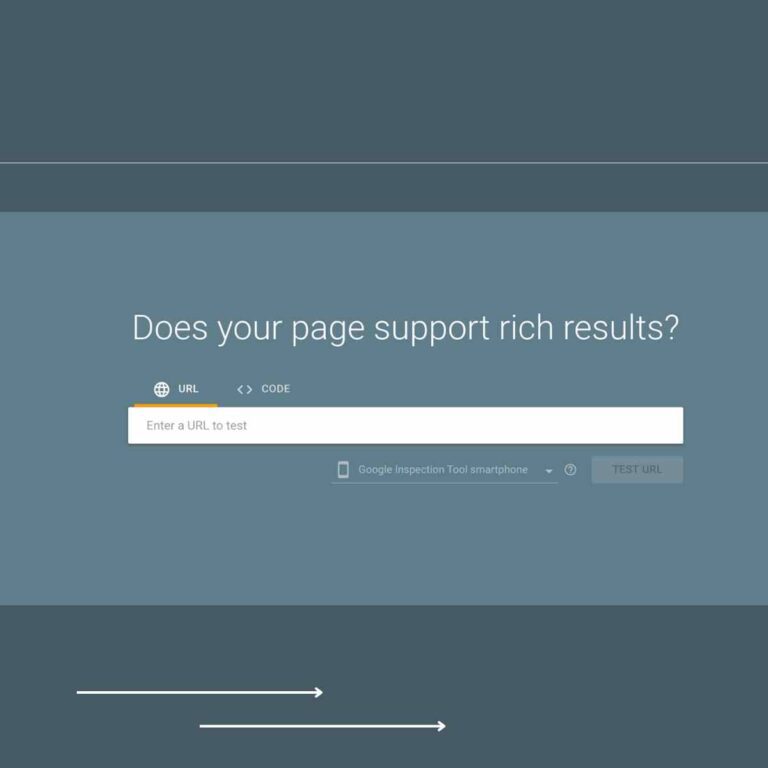
Google Search Console’s Performance report shows which queries your pages are generating impressions for and at what positions. Pages with high impressions but low click-through rates typically have title tag or meta description problems. Pages ranking between positions 8 and 20 for relevant terms are candidates for on-page optimisation work that could move them to page one.
Screaming Frog SEO Spider crawls your entire site and produces a report showing every page with missing title tags, duplicate title tags, missing H1 tags, missing meta descriptions, and images without alt text. It is free for sites under 500 URLs and takes less than ten minutes to run on a typical Northern Ireland business website.
If you want a full review of the on-page SEO issues affecting your key pages and a prioritised list of what to fix, an SEO audit covers on-page factors alongside technical and content analysis.
Frequently Asked Questions
What is on-page SEO?
On-page SEO covers everything on a webpage that can be optimised to improve its relevance and visibility in search results. This includes title tags, H1 tags, meta descriptions, content quality and structure, keyword usage, internal links, image alt text, and schema markup. It is distinct from off-page SEO, which covers external factors like backlinks, and technical SEO, which covers site infrastructure.
How do I know which pages on my site need on-page SEO work?
Google Search Console’s Performance report shows which pages are generating impressions but ranking poorly or getting few clicks. These are your priority on-page optimisation targets. Screaming Frog will crawl your site and flag pages with missing or duplicate title tags, missing H1 tags, and images without alt text. Together these two tools identify the most urgent on-page issues across your entire site.
How long does on-page SEO take to produce results?
Title tag and H1 changes typically become visible in rankings within four to eight weeks, depending on how frequently Google recrawls the page. Submitting updated URLs through Google Search Console’s URL Inspection tool speeds up recrawling. Content improvements on pages with existing impressions can produce ranking changes more quickly because Google already has a ranking history for those pages.
Is on-page SEO enough to rank in competitive local markets like Belfast?
On-page SEO is a necessary foundation but rarely sufficient on its own in competitive markets. In Belfast and other Northern Ireland towns where multiple well-established businesses are competing for the same terms, strong on-page optimisation needs to be supported by a credible backlink profile from relevant local sources and an active, well-reviewed Google Business Profile. On-page work produces the fastest results on pages already close to page one and in less competitive local markets where competitors have not addressed their own on-page basics.
What is the difference between on-page SEO and technical SEO?
On-page SEO deals with the content and visible elements of individual pages: title tags, headings, content, internal links, and images. Technical SEO deals with the infrastructure of the site: how it is crawled and indexed, page speed, mobile performance, HTTPS, redirects, and site architecture. Both are necessary for good search performance. Technical issues can prevent well-optimised pages from ranking, and on-page problems can prevent technically sound sites from ranking for the right queries.
How does on-page SEO differ for local Northern Ireland businesses compared to national businesses?
For local Northern Ireland businesses, on-page SEO needs to include location-specific signals throughout key pages. Title tags, H1 tags, and page content should include the specific service area, whether that is Belfast, a particular area of Belfast, or a broader Northern Ireland geographic reference. Service pages targeting specific towns across Northern Ireland, such as Derry, Newry, Lisburn, or Ballymena, need content that specifically addresses those locations rather than generic content with a town name inserted. Local on-page SEO also works in conjunction with Google Business Profile optimisation and local citation building in a way that national SEO does not require.
If you want help reviewing and improving the on-page SEO across your Northern Ireland business website, get in touch for a free consultation and I can identify the specific changes most likely to improve your rankings.