
Integrating Social Media and SEO for Enhanced Online Marketing Success in Northern Ireland and Beyond
Social media does not directly improve Google rankings. Social media links are almost universally nofollow, meaning they do not pass authority in the way that editorial backlinks do. Google has confirmed this consistently. Understanding this distinction matters because a lot of advice about social media and SEO overstates the relationship and leads businesses to expect ranking improvements from social activity that will not materialise.
The connection between social media and SEO is real but indirect. Social media activity supports SEO by amplifying content reach, building brand recognition, driving referral traffic, and creating the conditions under which editorial links are more likely to be earned. For Northern Ireland businesses with limited marketing budgets, understanding which of these indirect benefits are worth pursuing helps focus effort on activity that produces measurable results rather than activity that looks productive but does not move rankings.
How Social Media Supports SEO Indirectly
Content Distribution and Link Acquisition
When you publish a piece of content on your website, the people most likely to link to it are those who have seen it. Social media is the primary distribution channel that puts content in front of journalists, bloggers, industry commentators, and other businesses who might reference it. A Belfast accountancy firm publishing a guide to R&D tax credits for Northern Ireland manufacturers and sharing it across LinkedIn is putting that content in front of the people most likely to link to it from their own sites, share it in industry groups, or reference it in their own content.
The link is not coming from the social share itself. It is coming from the visibility the social share creates. The distinction matters because it means the quality and relevance of the content determines whether links follow, not the volume of social activity around it. Sharing thin or generic content widely produces social metrics but not links. Sharing specific, useful content with a clearly defined Northern Ireland or sector-specific audience produces the conditions for genuine link acquisition.
Brand Search Volume
When people search for your business name directly in Google, that branded search volume is a signal that Google uses to assess your brand’s authority and recognition. A Northern Ireland business with an active, consistent social media presence builds brand recognition in its local market, which over time produces more branded searches. More branded searches contribute to how Google assesses the site’s authority relative to competitors.
This effect is gradual and difficult to measure in isolation, but it is real. A Derry-based HR consultancy that has been consistently active on LinkedIn for two years, sharing useful content and engaging with Northern Ireland business owners, will have higher brand recognition in their local market than a competitor with no social presence. That recognition translates into more direct and branded searches, which contributes to stronger overall domain signals.
Referral Traffic
Social media drives referral traffic to your website. That traffic does not directly improve rankings, but it has secondary effects that do. Visitors from social media who spend time on your pages, read multiple articles, and return to the site contribute to engagement signals that Google factors into its quality assessments. A page that consistently attracts engaged visitors, regardless of the source, sends stronger quality signals than one that attracts only brief visits from search traffic.
For Northern Ireland businesses targeting a local audience, social media referral traffic from local platforms and groups can be commercially valuable in its own right, independent of any SEO benefit. A Belfast restaurant with an active Instagram presence driving consistent referral traffic to their booking page is generating direct business value from social media that does not need to be justified through its SEO impact.
Local Visibility and Citations
Social media profiles, particularly Facebook Business pages, appear in Google search results for branded queries. A Northern Ireland business with a complete, active Facebook Business page, a LinkedIn company page, and a Google Business Profile has multiple properties appearing in search results when someone searches for their business name. This broader search presence reinforces brand legitimacy and gives potential clients more touchpoints to assess credibility before making an enquiry.
Social media profiles also function as citations for local SEO purposes. Consistent name, address, and phone number information across your website, Google Business Profile, Facebook Business page, and LinkedIn company page reinforces the geographic signals Google uses for local rankings. Inconsistencies across these platforms create conflicting signals that can suppress local pack visibility. You can read more about how local citations affect rankings in my post on local SEO for Belfast businesses.
Aligning Social Media Content with SEO Goals
The most practical way to align social media activity with SEO goals is to use social media to distribute the same content that is doing SEO work on your website. A Northern Ireland business that publishes a detailed guide to a topic relevant to their sector and then shares it across LinkedIn, Facebook, and relevant industry groups is getting multiple uses from a single piece of content. The guide builds topical authority on the website, the social shares distribute it to potential linking sources, and the engagement on social platforms builds brand recognition in the local market.
Sharing content from your website rather than creating separate social-only content also drives traffic back to the site, keeps your website as the primary content destination, and avoids the common mistake of building an audience on a social platform that you do not control rather than on your own website.
For Northern Ireland businesses using LinkedIn, sharing content specifically relevant to the Northern Ireland business community, referencing local programmes, councils, industry bodies, and market conditions, produces more relevant engagement than generic business content. A post about how the InterTradeIreland Trade Export Pathway changes affect cross-border businesses in Northern Ireland will resonate more with the target audience than a generic post about export strategy.
Social Media Profiles and On-Page SEO
Social media profiles should include links back to your website where the platform allows. LinkedIn company pages, Facebook Business pages, and Twitter profiles all allow website URL fields. These links are nofollow and do not pass authority directly, but they contribute to the overall citation footprint and ensure that traffic from social platforms has a clear path back to your site.
Open Graph tags on your website control how pages appear when shared on social media. Without them, Facebook and LinkedIn make their own choices about which image and title to display when someone shares a link, often with poor results. Setting og:title, og:description, and og:image on your key pages ensures they display correctly and attractively when shared. In WordPress, Yoast SEO manages Open Graph tags through its Social tab without requiring HTML editing. You can read more about Open Graph tags and meta tags in my post on meta tags for SEO.
What Social Media Cannot Do for SEO
Social media shares, likes, and followers do not improve Google rankings. A post shared 500 times on Facebook does not pass any authority to the linked page. Social media engagement metrics are not ranking factors.
Social media profiles do not replace a Google Business Profile for local search visibility. The local pack results that appear when someone searches “electrician Belfast” or “accountant Derry” are driven by Google Business Profile optimisation, reviews, and local citation signals, not by social media activity. Businesses that focus social media effort at the expense of Google Business Profile management are optimising the wrong channel for local search.
Social media content does not substitute for website content. Publishing useful information exclusively on LinkedIn or Facebook builds an audience on a platform you do not own, whose algorithm controls what your followers see, and which can change its terms or reduce organic reach at any point. The same content published on your website first, then shared on social media, builds a permanent asset that Google can index and rank while also reaching your social audience.
Social Media, SEO, and AI Search
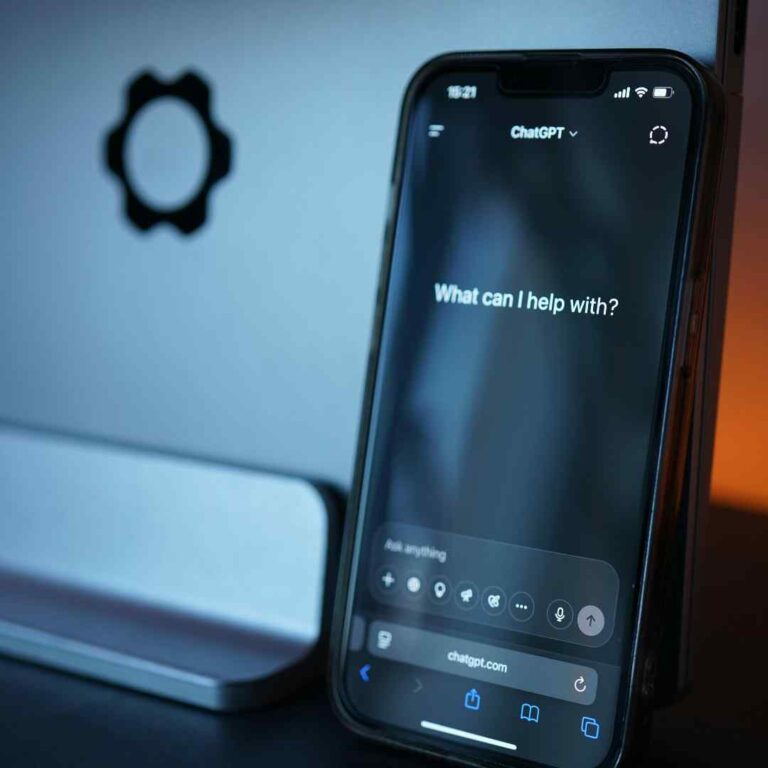
As AI tools including Google’s AI Overviews and ChatGPT increasingly generate responses from web content, social media activity contributes to the broader signals of brand authority and recognition that influence which sources AI systems treat as credible. A business consistently referenced in social conversations, mentioned by other accounts, and active in relevant communities builds a web presence that extends beyond its own website.
This is a longer-term effect rather than a direct ranking mechanism, but it reinforces the case for consistent, relevant social media activity as part of a broader digital presence strategy rather than as a standalone tactic. You can read more about AI search and how Northern Ireland businesses can position for it in my guide to AI Search and GEO.
Frequently Asked Questions
No. Social media links are nofollow and do not pass authority to linked pages. Google has confirmed that social media signals are not direct ranking factors. The relationship between social media and SEO is indirect, operating through content distribution, brand recognition, referral traffic, and the conditions that support editorial link acquisition.
LinkedIn is most useful for B2B businesses in Northern Ireland, both for content distribution to a professional audience and for the profile’s visibility in branded search results. Facebook Business pages contribute to local citation signals and appear in branded searches. For businesses in hospitality, retail, and consumer services, Instagram and Facebook drive referral traffic that has direct commercial value. The platform that matters most is the one where your target customers in Northern Ireland are most active.
No. Social media links are nofollow and do not contribute to your backlink profile in the way that editorial links from other websites do. They drive referral traffic and contribute to brand visibility but do not pass PageRank. For link building purposes, editorial links from relevant Northern Ireland websites, industry publications, and local directories are significantly more valuable than any volume of social media links. You can read more about link building in my post on link building for Northern Ireland businesses.
Publish on your website first, then share on social media. Content published exclusively on social platforms builds an audience on a channel you do not own and creates no permanent indexed asset for Google to rank. The same content published on your website first, then distributed via social media, builds a permanent SEO asset while also reaching your social audience. Over time, your website accumulates the authority and rankings that social platforms cannot provide.
Social media profiles contribute to the citation footprint that Google uses to verify local business information. Consistent name, address, and phone number across your website, Google Business Profile, Facebook Business page, and LinkedIn company page reinforces local relevance signals. Active engagement with local Northern Ireland audiences, sharing location-specific content, and participating in local business communities builds brand recognition that contributes to branded search volume over time.
Google Analytics shows referral traffic from each social platform and how those visitors behave on your site. Google Search Console shows changes in branded search volume over time, which reflects growing brand recognition. Neither tool provides a direct measure of social media’s contribution to rankings because the relationship is indirect. The most useful measurement approach is tracking branded search impressions in Search Console over a six to twelve month period alongside social media activity to identify whether recognition is growing in your target Northern Ireland market.
If you want to understand how social media fits into a broader SEO and digital marketing strategy for your Northern Ireland business, get in touch for a free consultation and I can review your current position and identify where the most practical opportunities are.