
Mastering Meta Tags: Your Ultimate Guide to Effective SEO (2026 Update)
Meta tags are HTML elements that sit in the head section of a webpage and tell search engines what the page is about. They do not appear in the visible content of the page, but they directly affect how the page appears in Google search results and on social media.
Getting them right is one of the most straightforward on-page SEO improvements available to any business, and one of the most consistently mishandled.
For businesses in Northern Ireland, Ireland, and the UK, meta tags are often the first thing a potential customer sees before clicking through to your site. A well-written title tag and meta description can make the difference between a click and a scroll past, regardless of where you rank.
The Title Tag
The title tag is the clickable headline that appears in Google search results. It is the single most direct on-page signal you have for telling Google what a page is about, and it is what searchers read first when deciding whether to click.
Title tags should be between 50 and 60 characters. Google truncates anything longer in the search results, so the end of a long title tag is often invisible to searchers. Every page on your site should have a unique title tag that reflects the specific content of that page.
For local businesses in Northern Ireland, including a location term in the title tag where it fits naturally is one of the clearest local relevance signals available. A Belfast bakery targeting searches like “gluten-free cakes Belfast” or “wedding cake maker Northern Ireland” needs those terms in the title tags of the relevant service pages, not buried in the body content.
Example title tag for a local service business:
<title>Family Law Solicitors in Belfast | Henderson & Co</title>
Avoid starting title tags with your brand name unless the brand itself is what people are searching for. Lead with the keyword or the most descriptive phrase, and put the brand at the end if at all.
The Meta Description
The meta description is the short paragraph that appears below the title in search results. It does not directly affect rankings, but it has a significant effect on click-through rate. A description that speaks directly to what the searcher is looking for will pull clicks from competitors ranking above you.
Meta descriptions should be between 150 and 160 characters. Google will rewrite them if it determines they do not match the search query, but a well-written description is used more often than not. Write it as if you are addressing the person searching, not describing the page to a search engine.
For Northern Ireland businesses, including a location reference and a specific detail about the service or product makes the description more relevant to local searches. “Serving Belfast and Northern Ireland since 1990” or “covering Antrim, Down, and Armagh” adds geographic context that reassures a local searcher they have found a relevant result.
Example meta description for a local accountancy firm:
<meta name="description" content="Chartered accountants in Derry serving small businesses across the North West. Tax returns, payroll, and VAT advice. Contact us for a free initial consultation.">
Every page should have a unique meta description. Duplicate descriptions across multiple pages give Google no useful signal about how the pages differ and reduce the chance of either page standing out in search results.
The Robots Meta Tag
The robots meta tag tells search engines whether to index a page and whether to follow the links on it. For most public-facing pages the correct setting is index, follow:
<meta name="robots" content="index, follow">
Pages you do not want appearing in search results, such as thank-you pages after form submissions, internal search results pages, or staging content, should be set to noindex. In WordPress with Yoast SEO, this is controlled in the Advanced tab of the Yoast panel on each page without touching the HTML directly.
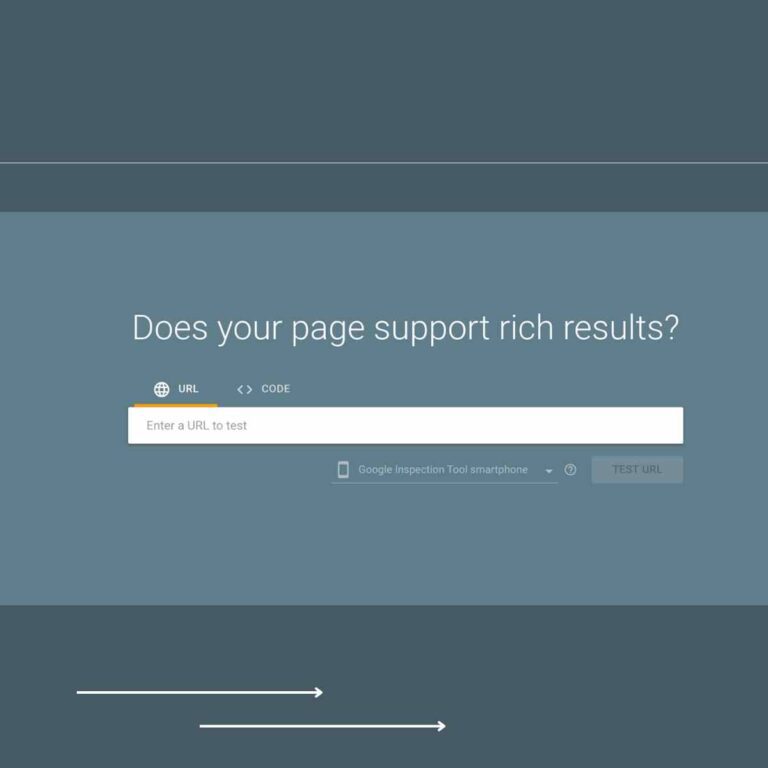
A common mistake is accidentally noindexing pages that should be visible. If a page is not appearing in Google despite being published, checking the robots meta tag is the first step. In Google Search Console, the URL Inspection tool will show whether a page is indexed and what robots tag Google found when it crawled it.
The Viewport Meta Tag
The viewport tag controls how a page displays on mobile devices. Without it, mobile browsers render the page at desktop width and scale it down, producing a poor user experience. Google uses mobile-first indexing, meaning it primarily uses the mobile version of a page for ranking purposes.
<meta name="viewport" content="width=device-width, initial-scale=1">
In WordPress, most modern themes including Kadence include this tag automatically. It is worth checking in Google Search Console’s Core Web Vitals report or using Google’s Mobile-Friendly Test to confirm your pages are rendering correctly on mobile. For local businesses in Northern Ireland where a large proportion of searches happen on smartphones, mobile rendering problems directly affect rankings and conversions.
Open Graph and Social Meta Tags
Open Graph tags control how a page appears when shared on Facebook, LinkedIn, and other platforms. Without them, social platforms make their own decisions about which image and text to pull from the page, often with poor results.
The core Open Graph tags are og:title, og:description, and og:image. The image should be at least 1200 x 630 pixels to display correctly across platforms.
<meta property="og:title" content="Family Law Solicitors in Belfast | Henderson & Co"><meta property="og:description" content="Practical legal advice for families across Belfast and Northern Ireland. Contact us for a confidential consultation."><meta property="og:image" content="https://www.hendersonlaw.co.uk/images/belfast-office.jpg">
Twitter uses its own card tags, though it will fall back to Open Graph if Twitter-specific tags are absent. For most Northern Ireland businesses, setting Open Graph tags correctly and ensuring the og:image is specified is sufficient to control how content appears across social platforms.
In WordPress, Yoast SEO handles Open Graph tags through the Social tab in the plugin settings, and allows you to set specific titles, descriptions, and images for individual pages without editing HTML.
Common Meta Tag Mistakes
Duplicate title tags across multiple pages are one of the most common problems found in site audits. If two pages have the same title tag, Google cannot easily distinguish between them, which can lead to both ranking poorly for the target terms. Screaming Frog will crawl your entire site and flag duplicate title tags and meta descriptions in a single report.
Title tags that are too long get cut off in search results, hiding the most relevant part of the title from searchers. Title tags that are too short leave character space unused that could carry useful keyword or location information.
Missing meta descriptions result in Google generating its own snippet from the page content, which is often poorly chosen and rarely includes the key information a potential customer needs to decide to click. Writing a specific description for every page is more work but produces consistently better results than leaving it to Google.
Keyword stuffing in title tags makes them unreadable and signals poor quality to both search engines and searchers. “Belfast solicitor family law Belfast Northern Ireland solicitor Belfast” is not a title tag. A title tag is a concise, human-readable description of the page that includes the relevant keyword naturally.
Meta Tags and AI Search
As AI tools including Google’s AI Overviews increasingly generate summaries of web content in response to search queries, the pages most likely to be referenced are those with clear, well-structured metadata. A page with a title tag and meta description that directly address a specific query gives AI systems an immediate signal about the page’s relevance and scope.
Structured data works alongside meta tags to give search engines and AI tools more granular information about page content. For local businesses in Northern Ireland, local business schema that includes your name, address, phone number, and opening hours gives both Google and AI tools structured data about your geographic relevance that supports visibility beyond standard organic rankings. You can read more about this in my guide to AI Search and GEO for Northern Ireland businesses.
Checking and Managing Meta Tags
Google Search Console’s Performance report shows which pages are generating impressions and clicks and at what click-through rates. A page with high impressions and low clicks often has a title tag or meta description that is not compelling enough to drive clicks at the position it is ranking. Improving the title and description for those pages is one of the most direct ways to increase traffic without changing your rankings.
Screaming Frog SEO Spider crawls your site and produces a full report on title tags and meta descriptions, including character counts, duplicates, and missing fields. It is free for sites under 500 URLs.
In WordPress, Yoast SEO manages meta tags through a panel at the bottom of each page and post editor. The snippet preview shows how the title and description will appear in search results before you save, which makes it easier to check length and readability without switching between the CMS and a browser.
If you want a full review of how your meta tags are performing across your site and what changes would have the most impact on click-through rates, an SEO audit covers this as part of a complete on-page review.
Frequently Asked Questions
Do meta tags directly affect Google rankings?
The title tag is a direct ranking signal. The meta description is not, but it affects click-through rate, which can influence rankings indirectly over time. The robots meta tag affects whether a page is indexed at all. Open Graph and viewport tags do not affect rankings directly but affect user experience and social visibility.
How long should a title tag be?
Between 50 and 60 characters. Google displays approximately 60 characters before truncating. Titles shorter than 50 characters leave useful space unused. Titles over 60 characters get cut off in search results, often hiding the location or keyword information at the end.
How long should a meta description be?
Between 150 and 160 characters. Google truncates descriptions longer than this in most search results. Shorter descriptions work but leave space unused that could include additional relevant detail or a call to action.
Should every page have a unique meta description?
Yes. Duplicate meta descriptions give Google no signal about how pages differ and reduce the chance of either page standing out in search results. Every page targeting a different keyword or audience should have a description written specifically for that page.
How do I check my meta tags in WordPress?
With Yoast SEO installed, the meta title and description fields appear in the Yoast panel at the bottom of the page or post editor. The snippet preview shows how they will appear in Google before you save. Screaming Frog will audit meta tags across your entire site if you need a bulk view.
What are Open Graph tags and do I need them?
Open Graph tags control how a page appears when shared on social media platforms. Without them, Facebook and LinkedIn make their own choices about which image and text to display, often with poor results. Setting og:title, og:description, and og:image on your key pages ensures they display correctly when shared. Yoast SEO manages these through its Social tab without requiring HTML editing.
How do meta tags affect local SEO in Northern Ireland?
Including location terms in title tags and meta descriptions signals geographic relevance to Google and to searchers. A solicitor in Newry whose title tag reads “Family Law Solicitor Newry | XYZ Legal” and whose meta description mentions “serving clients across South Down and Armagh” is giving both Google and potential clients clearer local signals than a competitor whose metadata contains no location reference. For businesses targeting multiple towns or areas across Northern Ireland, each location-specific service page should have its own metadata with the relevant location term included.
If you want help reviewing and improving the meta tags across your site, get in touch for a free consultation and I can take a look at where the biggest opportunities are.